
Laser Tattoo Removal Guide
Does Tattoo Removal Leave Scars? What You Should Actually Expect
One of the most common concerns we hear is: “Will tattoo removal leave a scar?” The short answer: modern laser tattoo removal is very safe, and scarring is uncommon — but there are a few important factors that determine your outcome.
Quick Answer
Laser tattoo removal does not typically cause scarring when performed properly with modern technology like PicoWay®. Most skin heals normally. However, scarring can occur in rare cases — especially if the skin was already scarred from the tattoo, if aftercare is not followed, or if treatments are done improperly.

Does Laser Tattoo Removal Cause Scarring?
Modern laser tattoo removal is designed to target ink — not destroy your skin. With advanced picosecond technology, the laser breaks up pigment particles without cutting, burning, or removing layers of skin like older methods did.
Because of this, scarring from laser tattoo removal itself is uncommon when treatments are done correctly. The vast majority of clients heal with smooth skin and gradual fading of the tattoo.
That said, not every tattoo starts with perfect skin — and not every healing process goes perfectly — which is where confusion around scarring comes from.
Why Can Scarring Happen?
When scarring does occur, it’s usually due to one of a few specific reasons — not the laser itself.
Pre-existing scar tissue
Some tattoos were applied too deeply or aggressively, leaving scars before removal even begins.
Improper aftercare
Picking, scratching, or over-moisturizing healing skin can lead to complications.
Overtreatment
Using incorrect settings or treating too aggressively can increase risk.
Infection during healing
If the area isn’t kept clean, infection can lead to permanent skin changes.
What If My Tattoo Is Already Raised or Scarred?
This is very common — and often misunderstood.
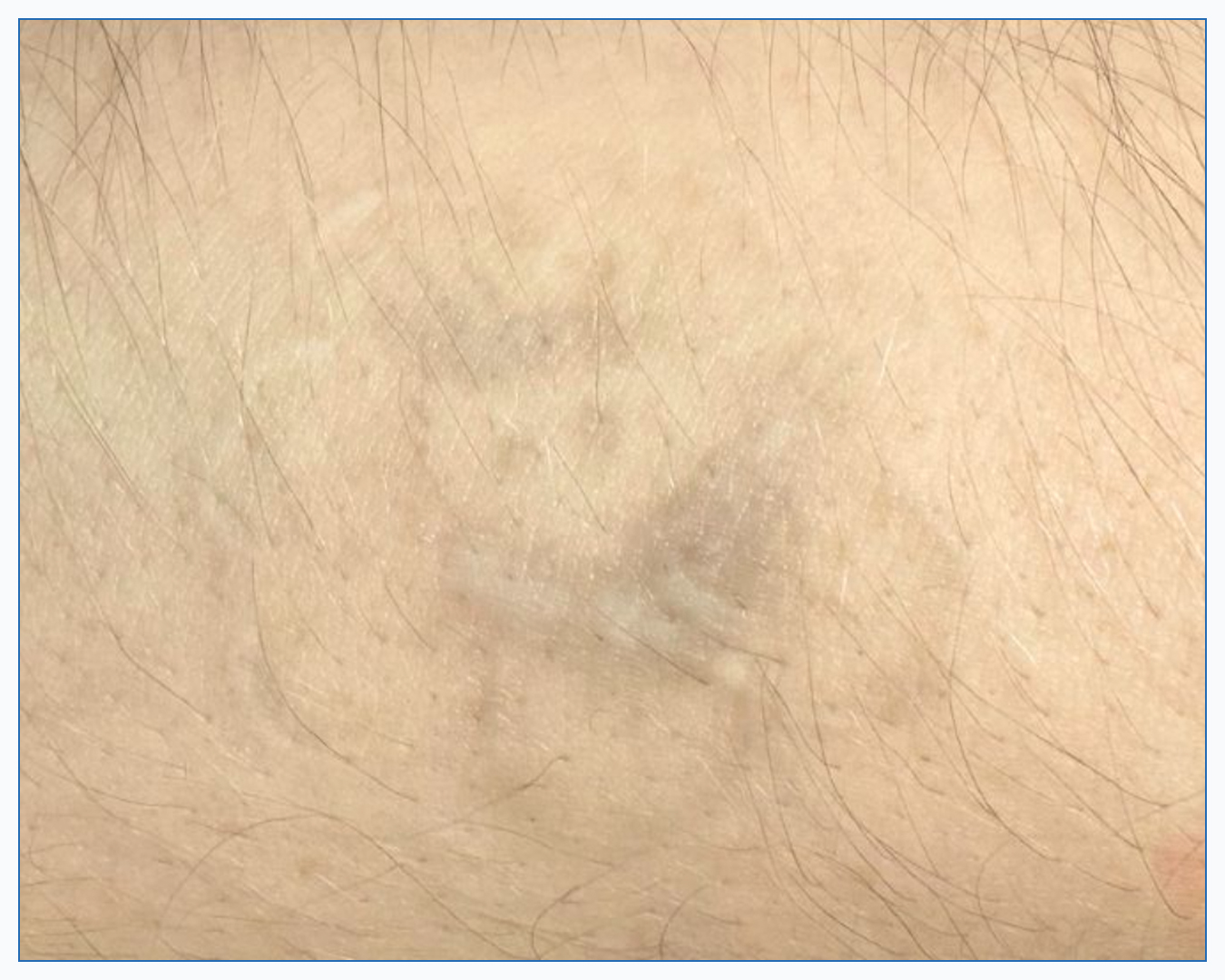
If your tattoo feels raised, textured, or uneven, that typically means there is scar tissue from when the tattoo was originally done. Laser removal does not create that — it just reveals what is already there as the ink fades.
In some cases, as ink clears, the skin can actually look better and smoother over time — but it’s important to understand that laser removal is not a scar removal treatment.
Biggest Risk Factors for Scarring
- Picking or scratching the area during healing
- Blister mismanagement (popping or tearing skin)
- Sun exposure on healing skin
- Too-frequent treatments without proper healing time
- Untrained or inexperienced providers
- Pre-existing keloid or hypertrophic scar tendencies
How to Avoid Scarring from Tattoo Removal
The good news: scarring is largely preventable. Following a few key steps dramatically reduces your risk.
- Choose an experienced provider using modern laser technology
- Follow aftercare instructions exactly
- Keep the area clean and dry during healing
- Do not pick, scratch, or peel
- Avoid sun exposure and use protection once healed
- Allow full healing between sessions
What Does Tattoo Removal Scarring Look Like?
True scarring from tattoo removal is uncommon, but when it happens, it may appear as:
- Raised or thickened skin (hypertrophic or keloid scars)
- Indentation or uneven texture
- Shiny or tight skin appearance
- Permanent changes in skin tone or texture
It’s important not to confuse temporary redness, swelling, or texture changes during healing with permanent scarring. Most side effects resolve naturally over time.
Safe Tattoo Removal Starts with the Right Approach
At Clarity Tattoo Removal, we focus on safe, controlled treatments using advanced PicoWay® technology. Our goal is not just removing ink — it’s protecting your skin throughout the entire process.
Frequently Asked Questions
Is laser tattoo removal safer than older methods?
Yes. Older methods like dermabrasion or excision carried much higher scarring risk. Modern lasers are far more precise and skin-friendly.
Can tattoo removal cause keloids?
If you are prone to keloid scarring, there is some risk. This is something to discuss during consultation so treatments can be approached cautiously.
Does blistering mean I’ll scar?
No. Blisters can be a normal part of the healing process. Proper care is what determines whether the skin heals smoothly.
Will my skin go back to normal?
In most cases, yes. Skin typically returns to a natural appearance over time, though some mild pigment changes can occur temporarily.